Trust Vero Beach top Plumbing Services for professional residential and commercial plumbing
Essential Plumbing Services: How to Select the Right Plumbing Professional for Your Home
Selecting the right plumber for a home can be a challenging task. Property dwellers must assess various points, including skills, knowledge, and pricing. Many overlook essential steps, which can create costly mistakes. Recognizing common plumbing issues and knowing what to identify in a plumbing expert is important. What are the crucial traits that truly constitute a plumbing professional solid? Analyzing these components can substantially shape permanent care and pleasure.
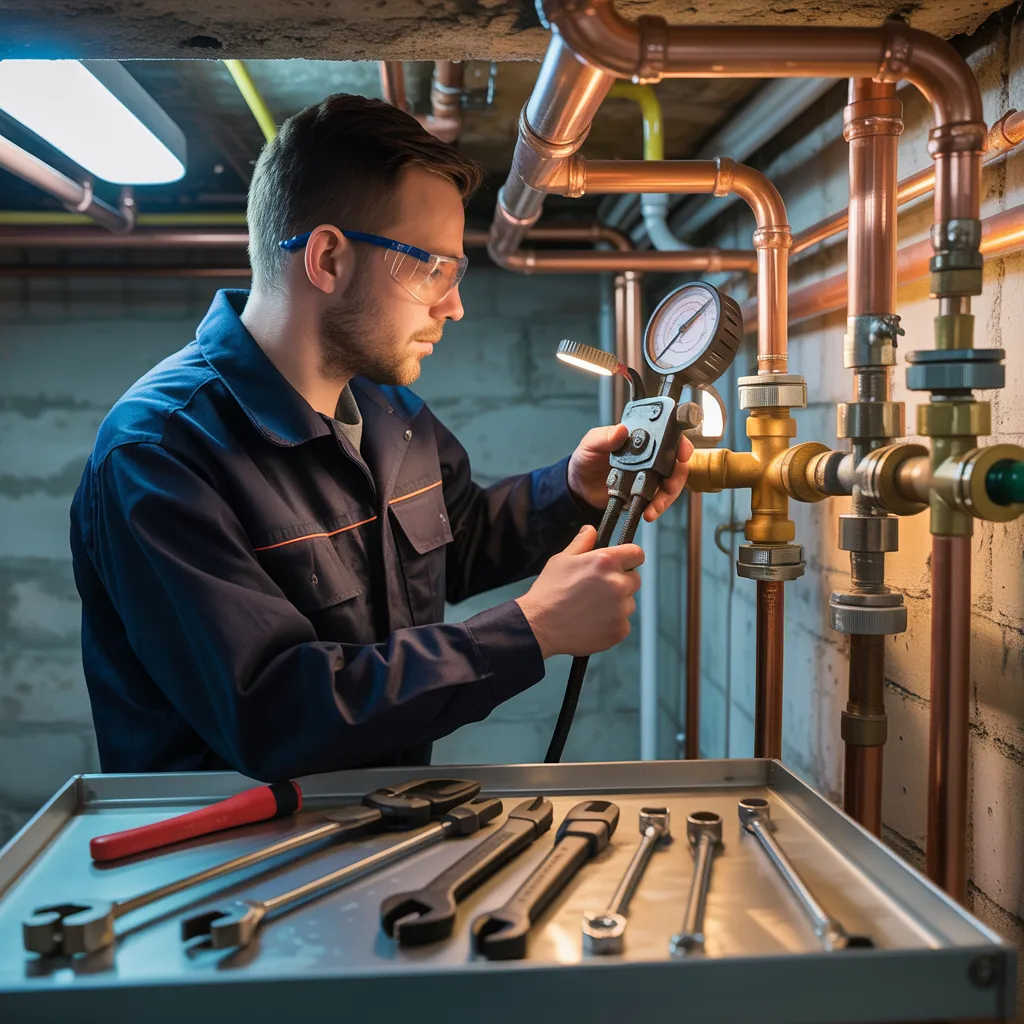
General Pipe Challenges Worth Recognizing
Numerous residents encounter a variety of plumbing problems that can disrupt daily life. Common issues include leaky faucets, which not only deplete water but also lead to higher utility bills. Clogged drains are another frequent issue, often caused by the accumulation of grease, hair, or foreign objects. These clogs can result in slow drainage or even overflow. Additionally, running toilets waste significant amounts of water, often due to faulty flappers or fill valves. Pipe leaks can occur in both visible and hidden locations, get started potentially causing extensive water damage if left unaddressed. Water heater issues, such as inconsistent temperatures or leaks, can affect comfort and convenience. Finally, low water pressure may indicate a problem with the plumbing system, affecting the overall functionality of fixtures throughout the home. Understanding of these common plumbing issues can help homeowners take proactive steps to maintain their systems effectively.
Important Credentials to Look For in Your Plumbing Specialist
What important credentials should property owners think about when employing a plumber? First and foremost, proper licensing is critical. A certified plumber has met local requirements and demonstrates a level of expertise and professionalism. Homeowners should also look for plumbers who carry adequate insurance, such as worker's compensation and liability coverage, to safeguard against potential damages or injuries during the job.
Furthermore, certification from established industry bodies can indicate a plumber's dedication to continuous learning and adherence to industry standards. Homeowners should prioritize those with advanced expertise in specific plumbing areas, such as residential or commercial plumbing.
In addition, a thorough grasp of local building codes and regulations is essential to maintain compliance during repairs or installations. To summarize, clear communication skills are key, helping the plumber to explain issues and solutions effectively, establishing trust and understanding between the homeowner and the service provider.
Analyzing a Plumber's Experience and Name
In assessing a plumber's experience and reputation, the number of years in operation serves as a crucial sign of expertise and reliability. In addition, professional credentials can demonstrate a plumber's dedication toward industry best practices and continuous professional development. These factors together deliver important understanding into the quality of service one can expect.
Duration of Business
A plumber's years in business can greatly affect their experience and reputation in their local area. Established plumbers often have a track record that reflects their ability to handle various plumbing issues successfully. Longevity in the industry typically indicates a commitment to quality service, as these experts have overcome obstacles and established connections over time. Property owners should take into account how long a plumber has been operating, as this can reveal insights into their reliability and customer satisfaction. Reviews and testimonials from previous customers can further shed light on the plumber's reputation in their area. In the end, choosing a plumber with extensive experience can provide peace of mind, guaranteeing that the job will be finished professionally and efficiently.
Qualifications Sector Record
Why do professional certifications strengthen a plumber’s credibility? Certifications act as confirmation of a plumber’s knowledge and skills, showcasing their dedication to professionalism and conformance with industry standards. Trusted organizations like the Plumbing-Heating-Cooling Contractors Association (PHCC) and the National Institute for Certification in Engineering Technologies (NICET) grant credentials that indicate a plumber’s expertise in specific areas, including installation and repair procedures. These certifications often entail ongoing education, assuring that plumbers remain current on the newest technologies and regulations. A plumber holding such certifications is usually more reliable, instilling confidence among homeowners. As a result, when picking a plumber, verifying their certifications can give valuable insight into their qualifications and standing.
Why It's Important to Request Various Price Quotes From Plumbers
Gathering several estimates from plumbing professionals is crucial for making a informed decision, as it allows homeowners to compare costs, offerings, and qualifications. By gathering estimates from various professionals, homeowners can identify the typical price for particular plumbing work, helping them avoid overpaying. Each plumber may provide varied service options, including guarantees, maintenance visits, or urgent assistance, which can greatly impact long-term satisfaction.
In addition, obtaining multiple bids allows homeowners to assess the qualifications and expertise of each plumber. A range of opinions can reveal the quality of craftsmanship and customer service, allowing for a thorough evaluation. Moreover, this process promotes competition among plumbers, often leading to competitive pricing or extra services. Ultimately, dedicating time to gather multiple quotes provides homeowners with the essential information to choose a trustworthy plumber who meets their needs and budget effectively.
Critical Points to Inquire When Bringing On a Plumber?
When evaluating prospective plumbers, understanding which questions to ask can significantly impact the selection process. A homeowner should begin by asking regarding the plumber's licensing and insurance status, ensuring they meet local regulations and are safeguarded from liabilities. It's also important to ask about their experience with specific plumbing issues, such as pipe repairs or fixture installations, to assess their expertise.
Homeowners should obtain references from past clients to determine the plumber's trustworthiness and quality of work. Moreover, discussing warranty options on repairs and installations can bring reassurance regarding potential problems. Knowing the pricing structure is crucial; homeowners should establish whether the estimate incorporates labor, materials, and potential additional costs. Ultimately, checking on availability windows for emergencies can help ascertain if the plumber will be available when most critical, establishing a trustworthy arrangement for future plumbing needs.
Common warning signals in Plumbing Services
When choosing a plumber, certain red flags can demonstrate possible service problems with their service. Obscure pricing structures can cause surprise costs, while the absence of appropriate credentials raises concern about professionalism and trustworthiness. Recognizing these warning signs is essential for making a well-informed hiring decision.
Ambiguous Pricing Arrangements
How can property owners handle the unclear terrain of plumber costs? Unclear pricing structures can be a significant red flag when choosing a plumber. Many service providers fail to offer transparent estimates, leading to surprise expenses and dissatisfaction. Homeowners should be wary of unclear estimates that lack comprehensive itemizations of labor, materials, and additional fees. A trustworthy plumbing professional will provide a clear, itemized estimate before beginning work, guaranteeing that property owners know what they are paying for. Furthermore, hidden charges often surface during or after the service, highlighting the necessity for establishing payment conditions in advance. By prioritizing clear and honest cost communication, homeowners can prevent unwelcome shock costs and foster a more trustworthy relationship with their selected plumber.
Absence of Permits
Significant risks can arise for homeowners in need of plumbing services when there is a lack of proper licensing. Licensed plumbers are generally to meet specific training and regulatory guidelines, ensuring they have the required competence and knowledge. When proof of licensing is not available from a plumber, it may suggest inadequate training or disregard for industry standards. This failure to comply can result in deficient work, leading to costly repairs or safety hazards. Homeowners need to be cautious of any plumbing service that does not readily offer licensing details. Verifying credentials through local licensing boards can help avoid potential pitfalls. Ultimately, choosing a licensed professional increases the likelihood of quality workmanship and peace of mind for homeowners.
Building a Positive Relationship With Your Plumber
Creating a dependable working relationship with a plumber can markedly amplify the excellence of support delivered. Effective interaction is key; homeowners should articulate their concerns clearly and ask points when necessary. This establishes a atmosphere of credibility, helping the plumber to perceive the distinct expectations of the property.
In addition, regarding the plumber with dignity and skill can deliver better results. Kind actions, such as supplying drinks during lengthy jobs, can create positive feelings. Homeowners ought to be aware of scheduling and provide access to work areas, which can encourage more seamless work.
Also, periodic service agreements can deepen the working relationship, confirming the plumber is acquainted with the home's plumbing system. Ultimately, giving feedback, if critical or favorable, supports plumbers in improving their services and fosters a cooperative dynamic. Maintaining open lines of communication ultimately advantages both sides, producing trustworthy, quality plumbing services.
Often Asked Questions
How Do I Recognize if My Plumbing Problem Is an Emergency?
A plumbing issue is considered an emergency if it includes uncontrollable leaks, sewage backups, or significant water damage. Prompt action is necessary to prevent further complications and guarantee safety and functionality within the residence.
What ought to I complete before the plumbing professional arrives?
Before the plumber arrives, the homeowner should clear the area around the plumbing issue, collect details about the problem, and turn off the water supply if necessary to prevent further damage and enable fixing.
Are Plumbing Guarantees or Warranties Crucial?
Plumbing warranties or guarantees are important as they provide assurance of quality workmanship and materials. They protect homeowners from unexpected expenses, guaranteeing that repairs or replacements are included if problems arise after service completion.
Should I try basic Plumbing work on My Own?
Yes, modest plumbing tasks can often be executed by homeowners. Standard jobs like fixing leaks or unplugging drains necessitate basic implements and a little assistance. However, prudence should be exercised to avoid causing further damage.
What Interval Is Recommended for Plumbing Maintenance Planning?
Annual upkeep scheduling is recommended for plumbing systems. Routine inspections help detect potential issues early, ensuring efficient function and minimizing expensive fixes. Homeowners gain from proactive upkeep designed to lengthen the life span of their plumbing systems.